Technical translation
ISO 17100 · since 1992 · 30+ languages
Technical translation for manufacturers whose instructions and safety instructions must be correct in every language. We have been translating into more than 30 languages since 1992; every translation is revised by a second specialist before it leaves our office.
What we translate
Operating instructions and user manuals.
Assembly, maintenance and service instructions included, in the format of your component content management system (CCMS). More on this: Instructions, data sheets, package leaflets.
Safety instructions and warnings.
We translate signal words and hazard statements using the terminology specified by your standards and your target markets.
Data sheets and declarations of conformity.
Technical values, units and references to standards remain unchanged; only the text in between is translated.
Software user interfaces and help texts.
We check character lengths, placeholders and context before translation. More on this: Software localisation.
Training, catalogue and web content.
We take on product catalogues from your PIM system, web pages from your web CMS and subtitles for training videos as exchange files.
Obligations and standards
Anyone selling machinery, plant or medical devices in the EU must supply the information for use in the language of the country in which the product is used.
The standard DIN EN IEC/IEEE 82079-1 describes how information for use must be structured; a translation adopts this structure unchanged. ISO 17100, by contrast, governs the translation process itself: translator qualifications, revision by a second person, documented procedures. We are certified to ISO 17100, valid until 15 July 2027.
2006/42/EC
Machinery Directive: language of the instructions
(EU) 2023/1230
Machinery Regulation: language of the instructions
from 20 January 2027
DIN EN IEC/IEEE 82079-1
Structure of information for use
ISO 17100
Translation process with revision
No law requires translation by an ISO 17100-certified provider. The standard helps you demonstrate your due diligence as a manufacturer: it shows who translated and who revised.
Who translates
Translation is carried out by native-speaker specialist translators with a technical background; we verify this as a fixed step in our process. Before anyone works on your project, we check their native language, subject area and experience with the document type.
A technical translator knows the machine they are writing about: they know that a Schütz (contactor) is not a Schutz (guard) and that the German ‘Not-Halt’ has a standardised term in the target language. Anything they are not sure about, they clarify with you before the sentence goes into the translation. We collect queries for each project and send them in one batch.
Revision is carried out by a second specialist with the same target language. They compare the source text and the translation sentence by sentence; ISO 17100 makes this step mandatory.
Example
| DE | Not-Halt |
|---|---|
| EN | emergency stop |
| FR | arrêt d’urgence |
| PL | zatrzymanie awaryjne |
File formats and CCMS
You send the file you work with. We deliver it back in the same format, with the layout adjusted if the text becomes longer in the target language.
- InDesign (IDML)
- FrameMaker (MIF)
- Word
- Excel
- PowerPoint
- XML
- DITA
- HTML
- XLIFF from the CCMS
- Software strings
- Subtitles (SRT)
A PDF file is sufficient for an initial estimate. For the translation, we need the editable file; otherwise additional layout work is required. More on the formats: InDesign, FrameMaker, Word.
Process in five steps
Every step is documented, as ISO 17100 requires. You know at all times where your project stands.
- 01Enquiry and analysisWe check files and repetitions and send a fixed-price quote within one working day.
- 02TerminologyYour terms go into the project's terminology database.
- 03TranslationSpecialist translators who are native speakers of the target language, working in the memoQ translation system.
- 04RevisionA second specialist compares sentence by sentence.
- 05Approval and deliveryOptionally with a review by your subsidiary, then in the original format.
Review by your subsidiary
Many manufacturers have the translation read by a colleague in the target country before approval. With us, this in-country review takes place in the browser: your reviewer sees the source text and the translation side by side, makes changes directly in the sentence and adds comments. Every change remains traceable and flows back into the translation memory, the store of previously translated sentences.
If you prefer to review in a file, you receive a bilingual or trilingual table in RTF format. We transfer changed sentences back into the project, so your corrections are also carried into future editions.
Terminology and translation memory
For each customer, we maintain a separate terminology database and a separate translation memory. As a result, a component has the same name in the 2027 instructions as in the 2024 instructions, even if a different person translates them. We take over existing word lists. More on this: Terminology.
For a new edition of your manual, the translation system recognises unchanged sentences. Repetitions from the translation memory reduce the price. Via a terminology and translation server with an interface, you can view your data yourself or connect it to your CCMS.
Before translating large projects, we test the import filters with a pseudo-translation: the system replaces the text with placeholder characters, and we see whether every field is recognised and whether the layout accommodates the longer target texts.
AI-assisted translation: when to use it and when not to
We use machine translation with DeepL in memoQ when the text and its purpose allow it, and always with post-editing by a qualified specialist. Safety instructions and warnings are translated and revised by humans. Both are standard with us, unless you expressly request otherwise.
Our guide describes what a machine overlooks in safety-relevant texts.
Read the guide on liability risksIndustries
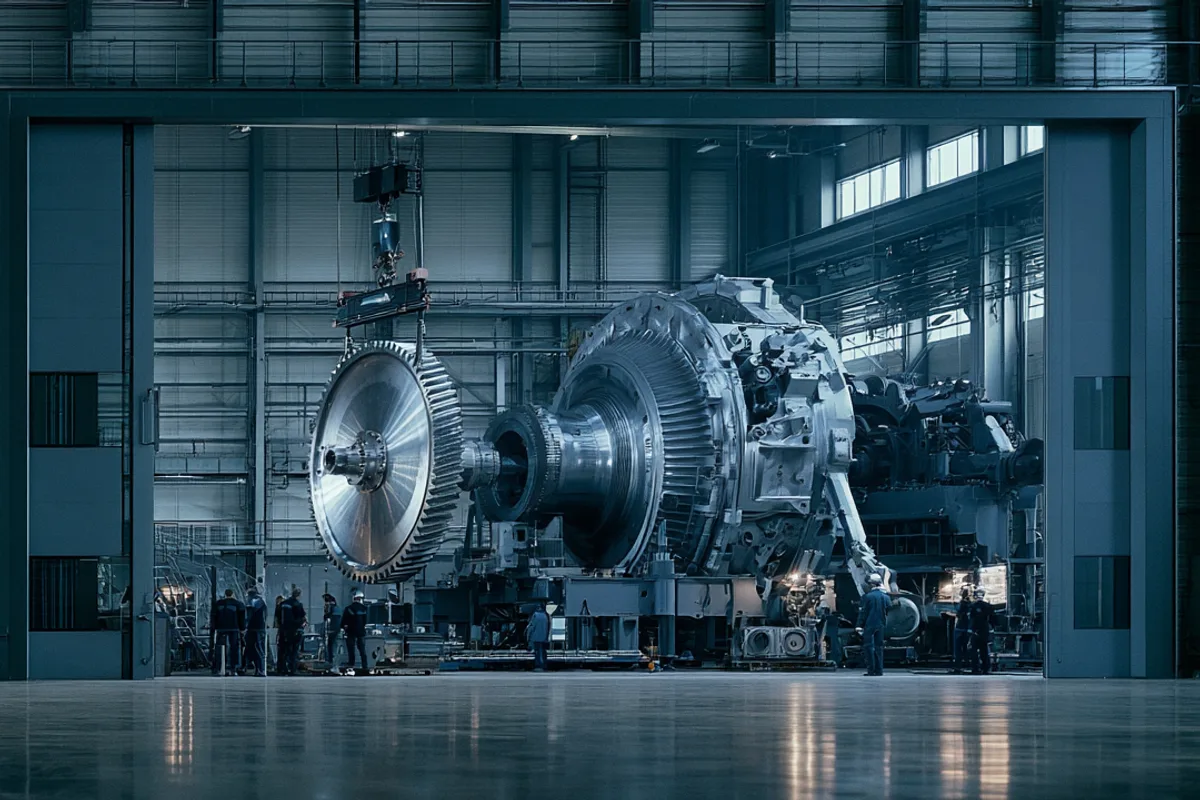
All industriesMechanical engineering
Operating instructions for machinery and plant, spare parts catalogues, training materials.
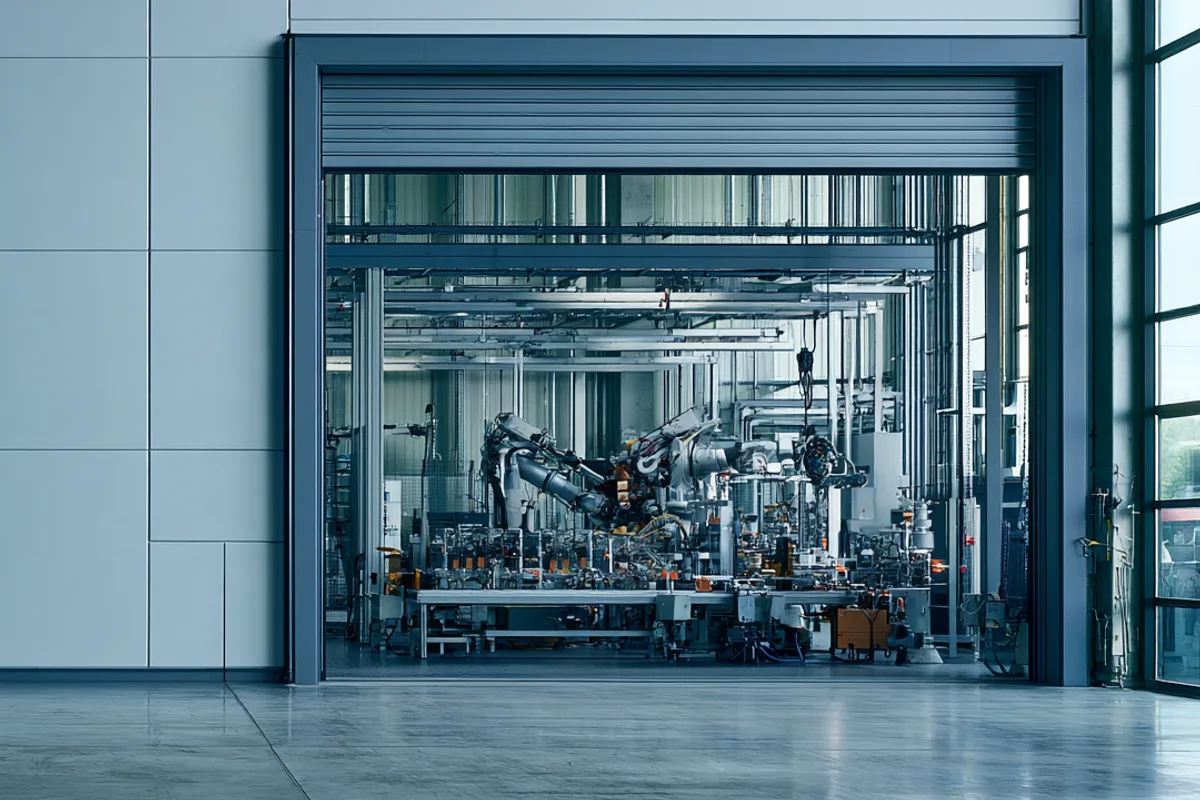
Automation technology
Drives, sensors, controllers and industrial PCs: manuals, software and device descriptions.
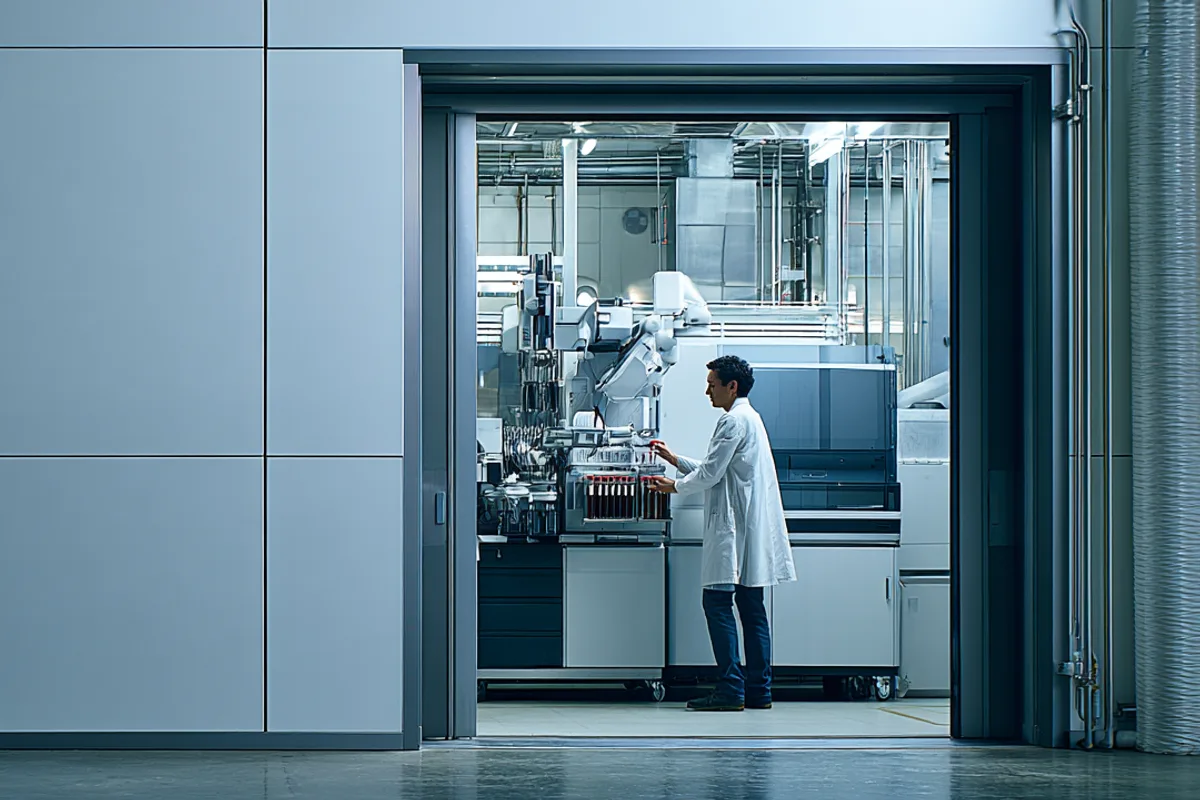
Medical and laboratory technology
Instructions for use and labels for devices used in hospitals and laboratories.
Frequently asked questions
What is technical translation?
The transfer of texts about products and processes into another language by specialists who know the subject area: instructions, data sheets, safety instructions, software. Terms, units and references to standards must be exactly right.
How much does technical translation cost?
The price depends on volume, language pair, subject area, file format and deadline. Repetitions from the translation memory reduce the price. You receive a fixed-price quote within one working day.
How long does it take to translate a manual?
That depends on the volume and the number of languages; we state the delivery date in the quote. If several specialists translate in parallel, the shared database keeps the terminology consistent.
Which files can I send?
The file you work with: InDesign, FrameMaker, Word, Excel, XML, DITA or the export from your CCMS. We deliver it back in the same format.
Do my instructions have to be available in every EU language?
In the language of each country in which you place the product on the market.
Is translation to ISO 17100 mandatory?
No. ISO 17100 is a process standard for translation service providers. It shows that a documented process including revision has been followed, and so helps you demonstrate your due diligence.
How confidential is my design data?
We conclude a non-disclosure agreement on request. Your texts are stored in memoQ on our own server in Germany; machine translation runs via DeepL Pro under a data processing agreement.
A quote for your translation
We reply on the next working day. Or contact us directly:
For a fixed-price quote
- Source language and target languages
- Document type and approximate scope, ideally with the file format
- Your preferred deadline
You will receive a fixed-price quote within one working day.